Marine mammals on Svalbard: Between Arctic splendor and climate change
The waters around Svalbard are home to fascinating biodiversity and a prime example of the adaptability of marine mammals to the extreme conditions of the Arctic. From majestic whales to playful seals, these creatures are crucial to the ecosystems of the polar region.
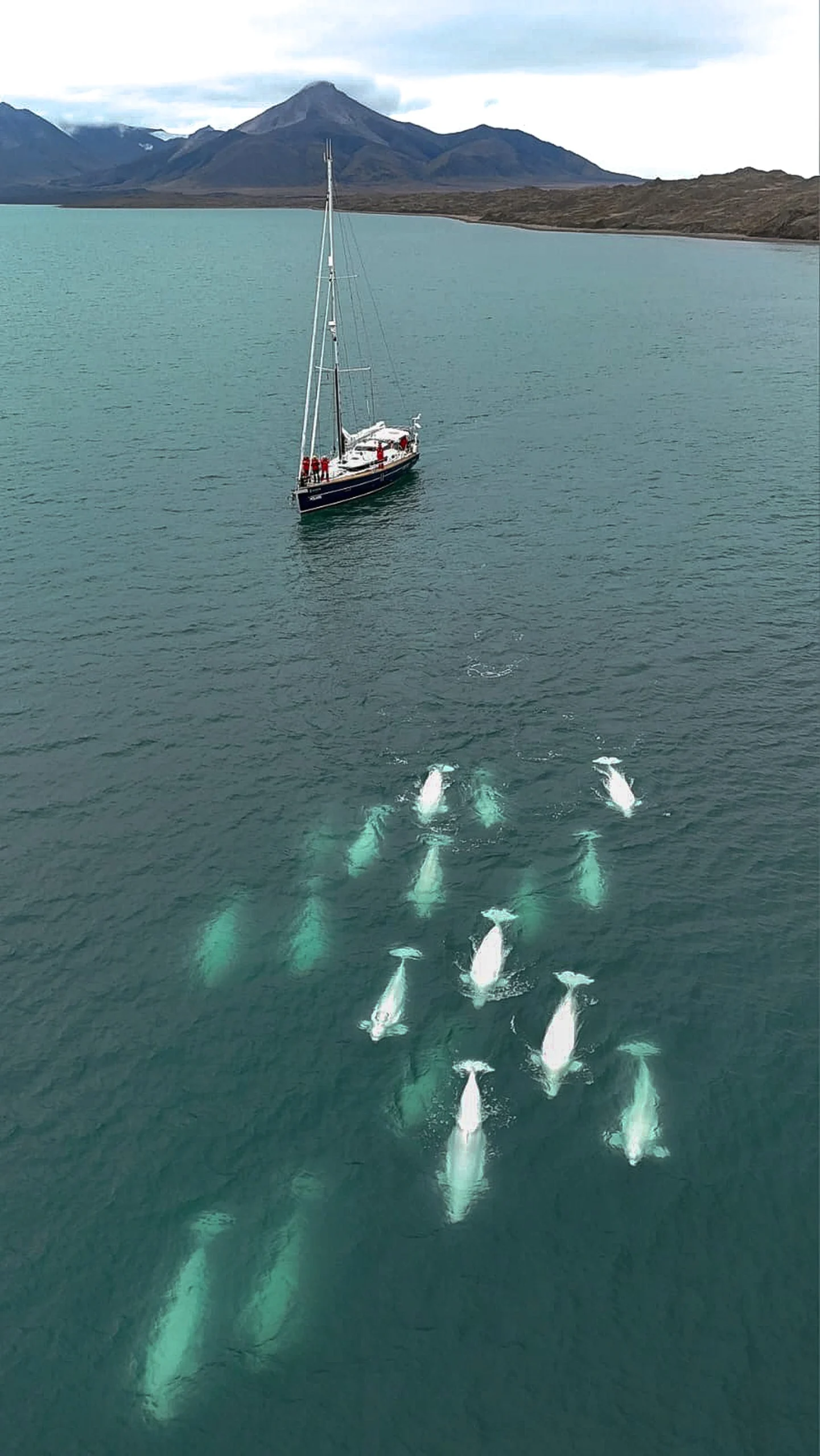
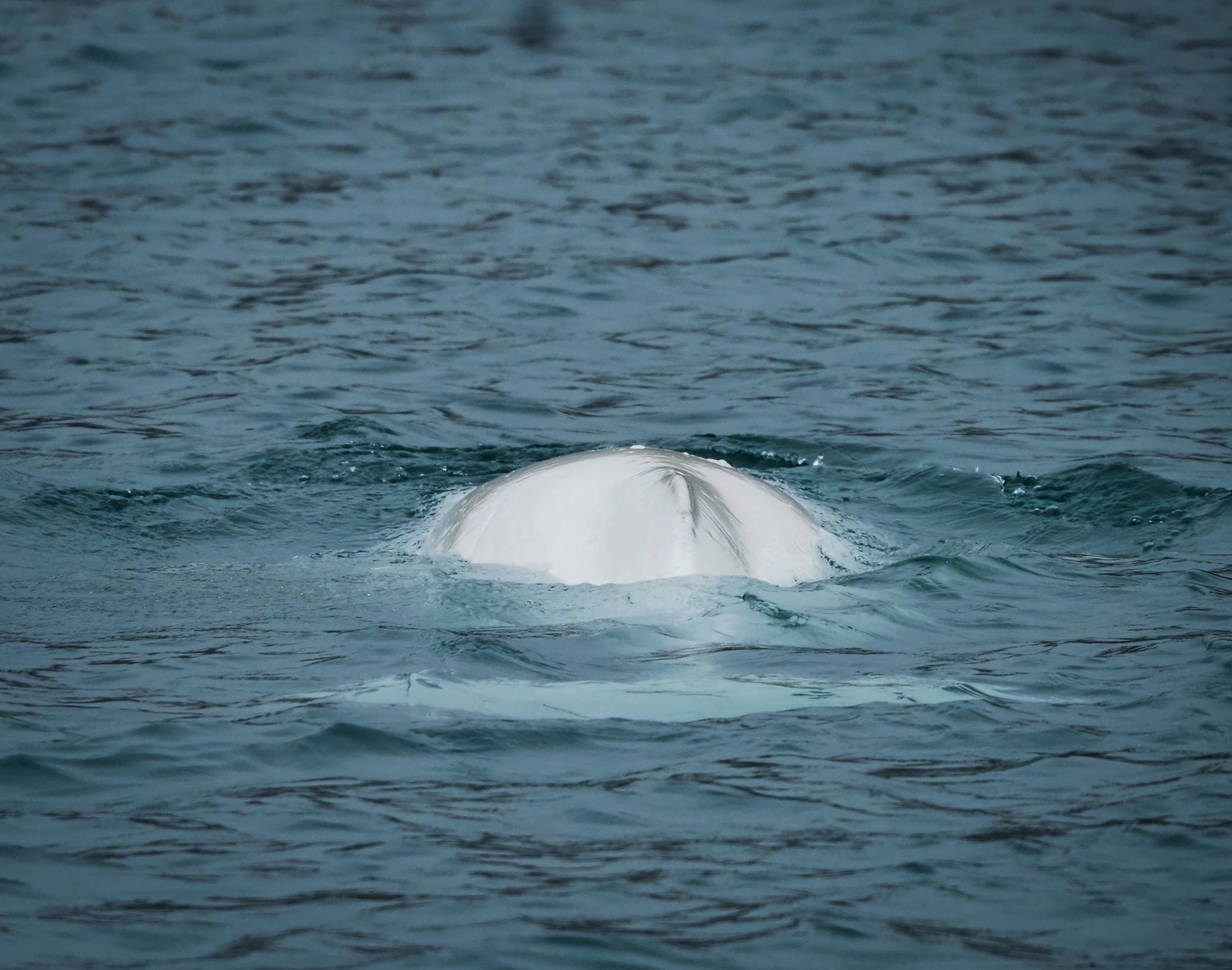
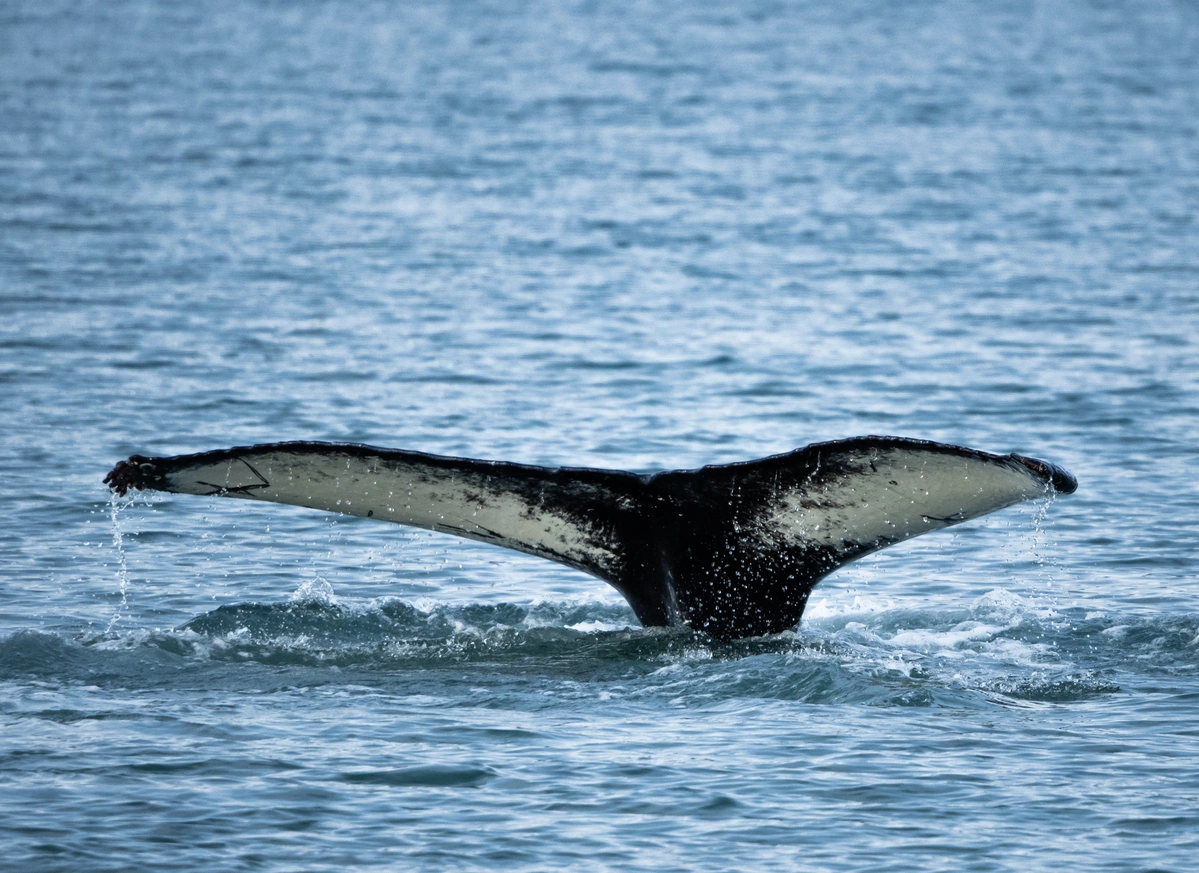
The Arctic serves as a feeding and breeding ground for many species of whales. Humpback whales, minke whales and bowhead whales pass through these waters on their annual migrations to feed on the rich food sources. However, the recent changes in ice conditions affect the availability of food and thus the migration routes and behaviors of these whales.
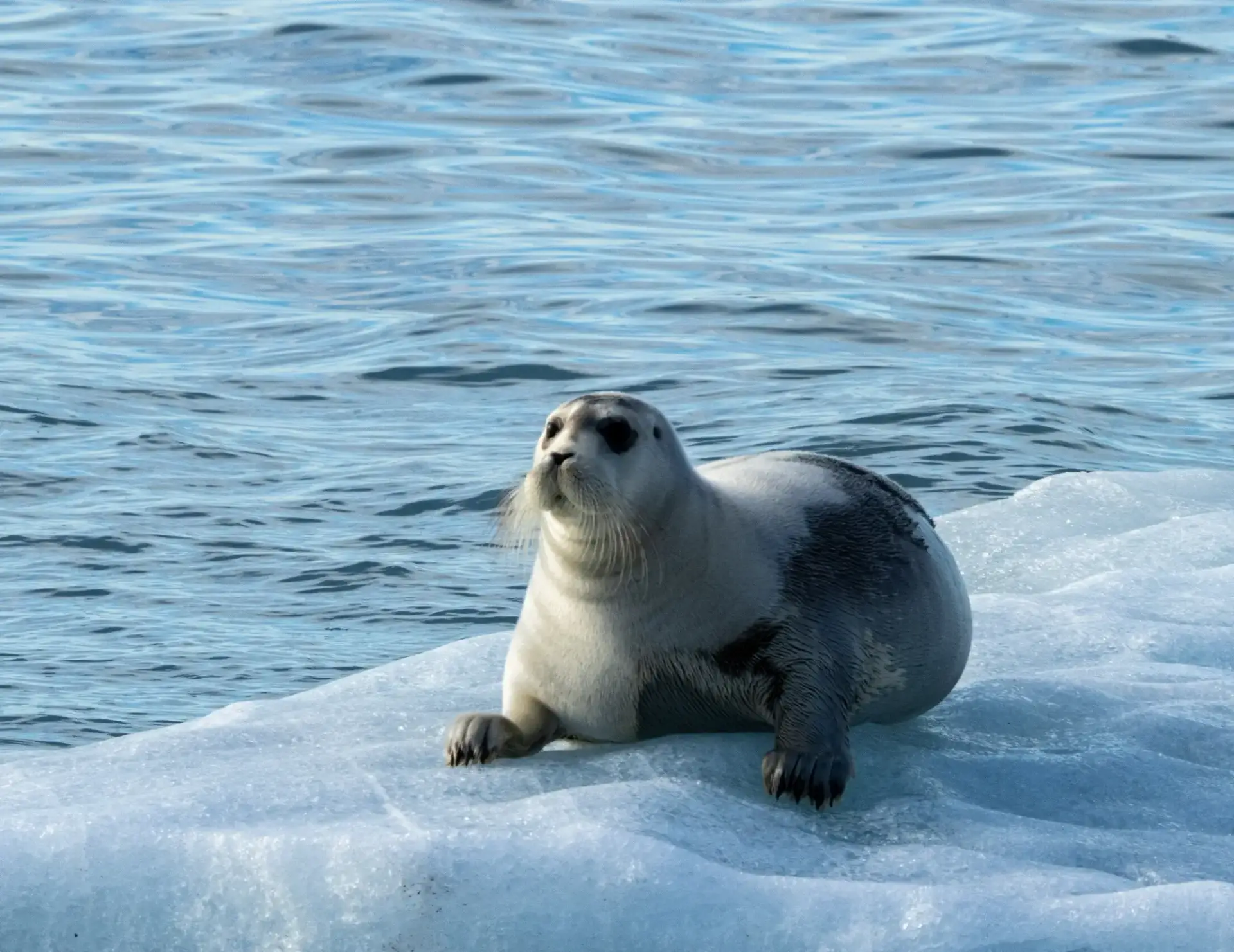
The seal species, especially the ringed seal and the bearded seal, are characteristic of the Arctic environment. The ice sheets provide them with resting places and safe places to give birth to their young. While the shrinking ice masses affect their way of life, they are also affected by rising temperatures and warming seas.
Climate change has triggered a visible cascade of events in Arctic waters that affect the way of life of marine mammals. Changes in ice dynamics affect the availability of food and breeding grounds, while warming seas alter the composition of food webs.
The study of marine mammals on Svalbard provides insights into the biological, ecological and social interactions in the Arctic. The protection of these species and their habitats is not only of ecological importance, but also contributes to the conservation of the rich biodiversity that makes the Arctic so unique.
Avifauna on Svalbard: Adaptability in the Arctic
The birdlife of Svalbard offers a fascinating insight into the amazing adaptability of creatures to the extreme conditions of the Arctic environment. In the midst of the icy landscapes, birds have developed impressive strategies to survive and reproduce.
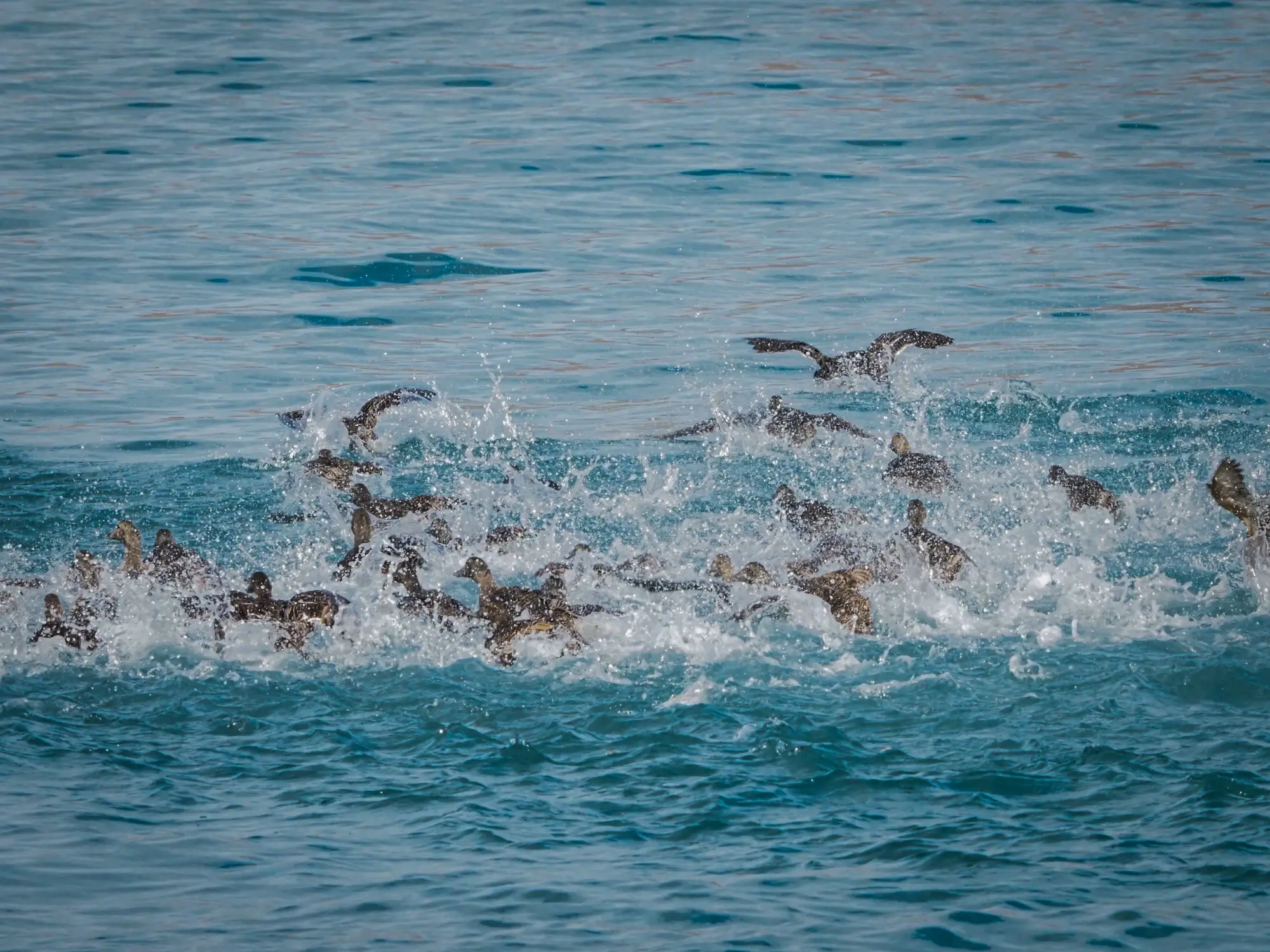
Several bird species have developed the ability to migrate over long distances and use Svalbard as a breeding or resting area. The coastal areas are breeding grounds for species such as the Glaucous Gull and the Thick-billed Guillemot. These birds must carefully time their breeding seasons to make the most of the short and busy summer period.
The alpine tundra of Svalbard is also home to a number of breeding birds, including the snow bunting, Arctic tern and Arctic plover. These species have adapted to the scarce food resources and harsh weather conditions. Their survival depends on the availability of insects, berries and small organisms, which are only present during the short growing season.
Climate change has far-reaching effects on the birdlife of Svalbard. Changes in the ice layers, temperature increases and changes in food availability can influence breeding and foraging strategies. One example is the shifting of food sources, which can affect migration routes and the timing of bird migrations.
Research into the birdlife of Svalbard not only provides insights into the biology and ecology of these fascinating creatures, but also helps to understand the effects of climate change on fragile Arctic ecosystems. The protection and conservation of bird species on Svalbard is crucial to maintaining the biodiversity and health of this unique environment.
Climate on Svalbard: A microcosm of Arctic change
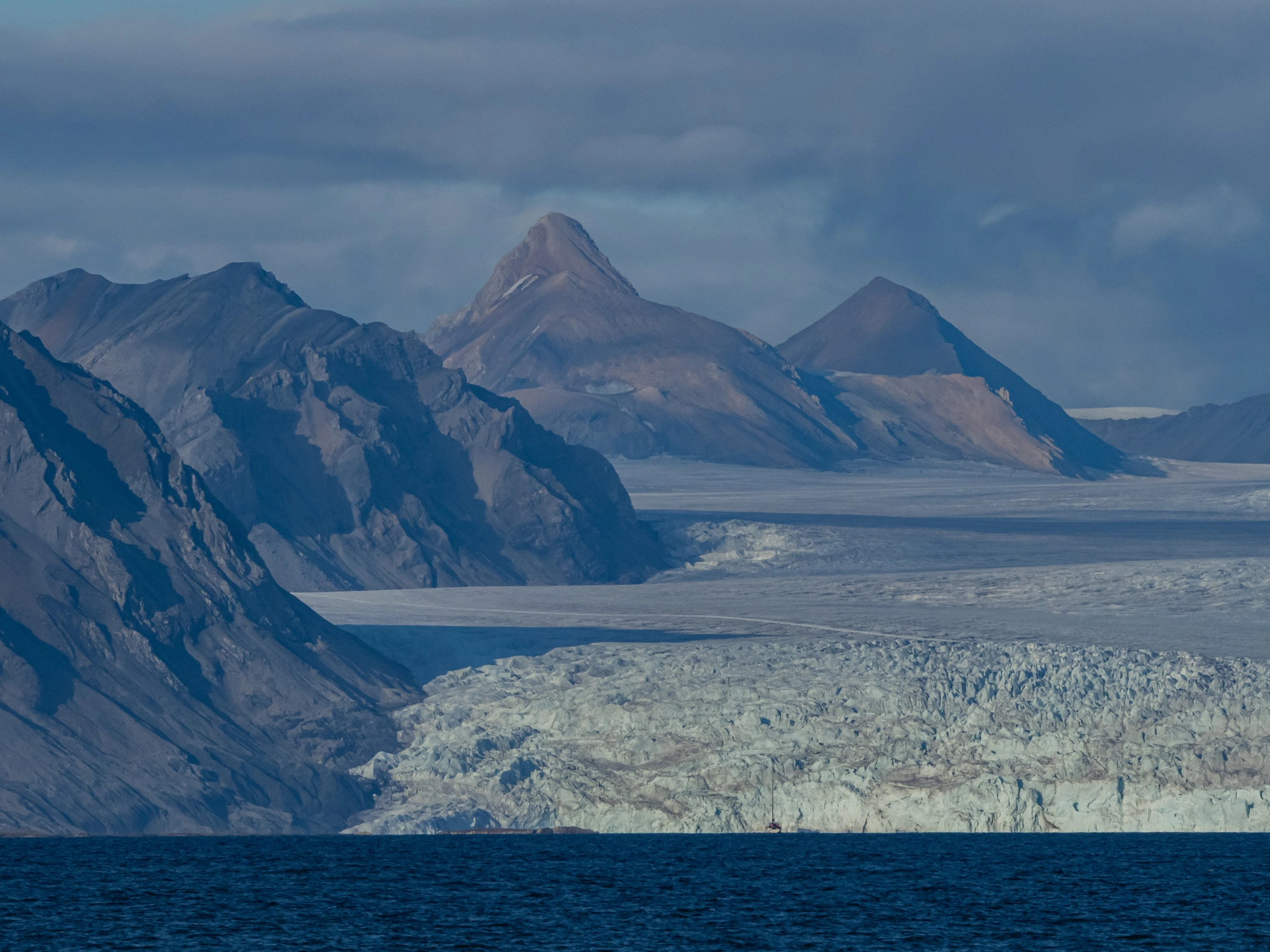
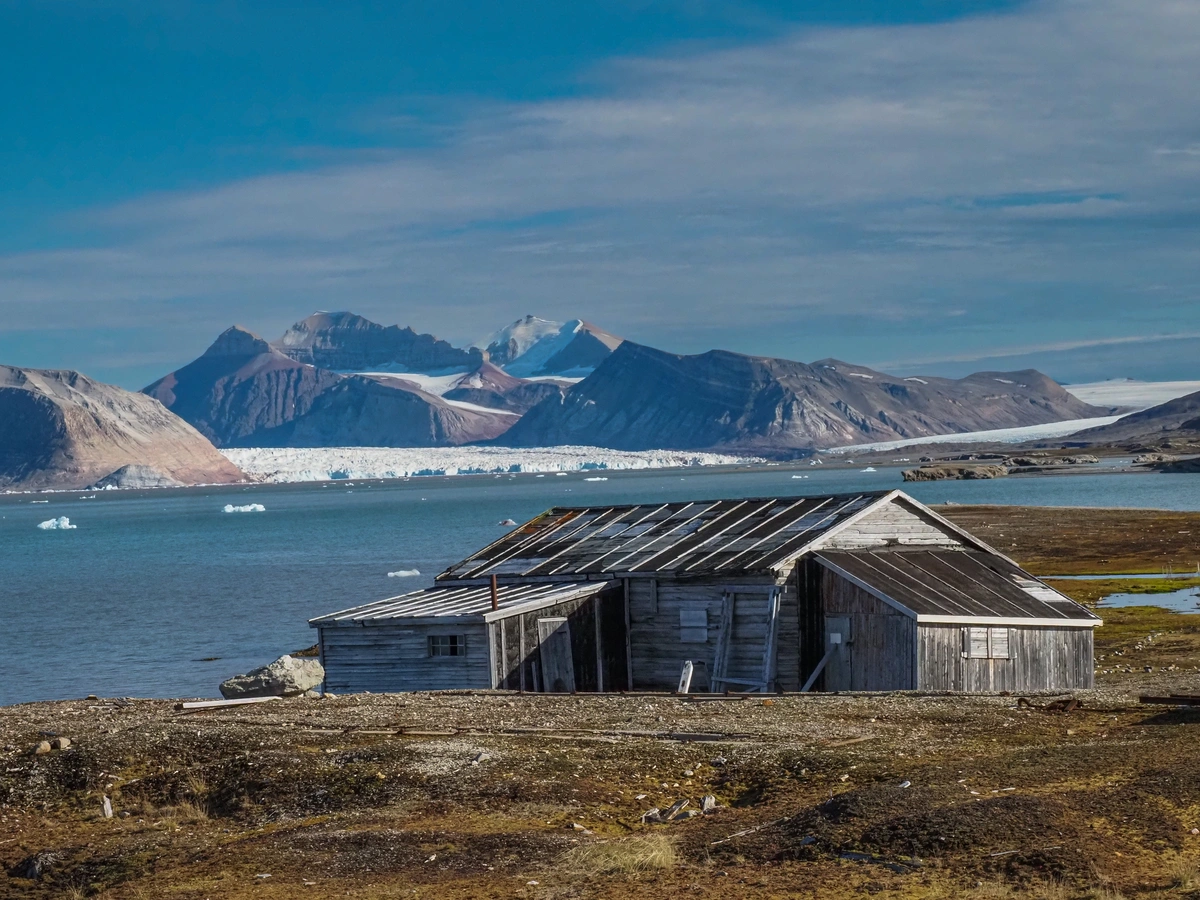
The Arctic is a focal point of global climate change, and Svalbard, as the north-eastern foothills of Eurasia, provides a fascinating window into these changes. In recent decades, the climate on Svalbard has changed rapidly, with far-reaching implications for the local environment and beyond.
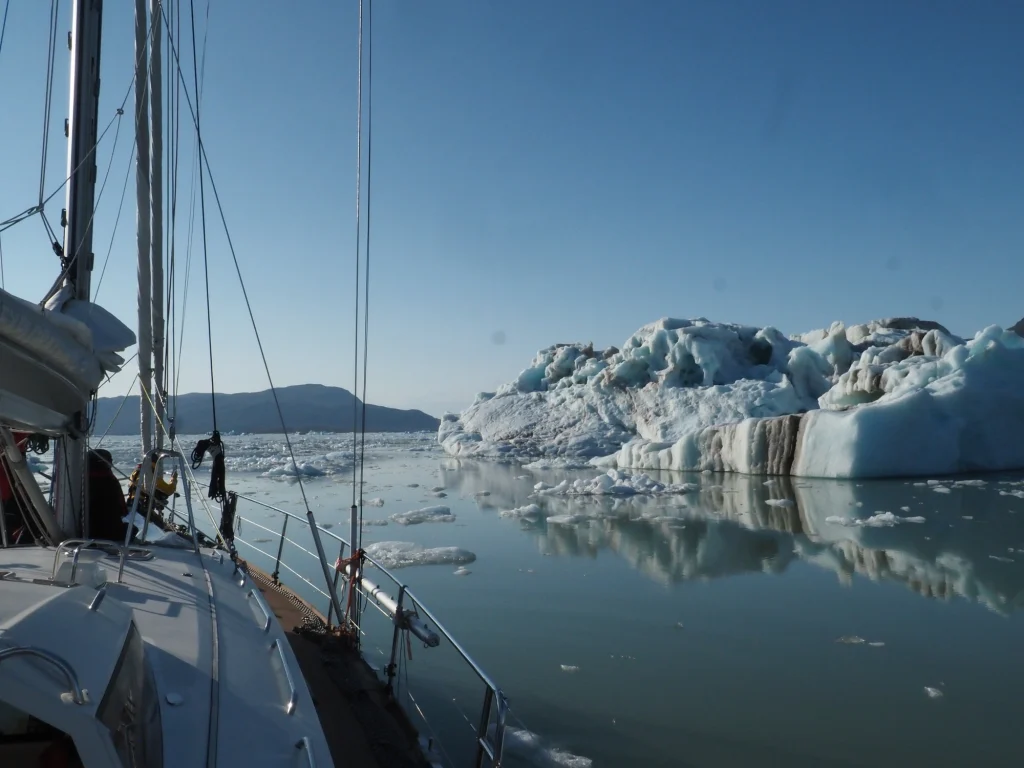
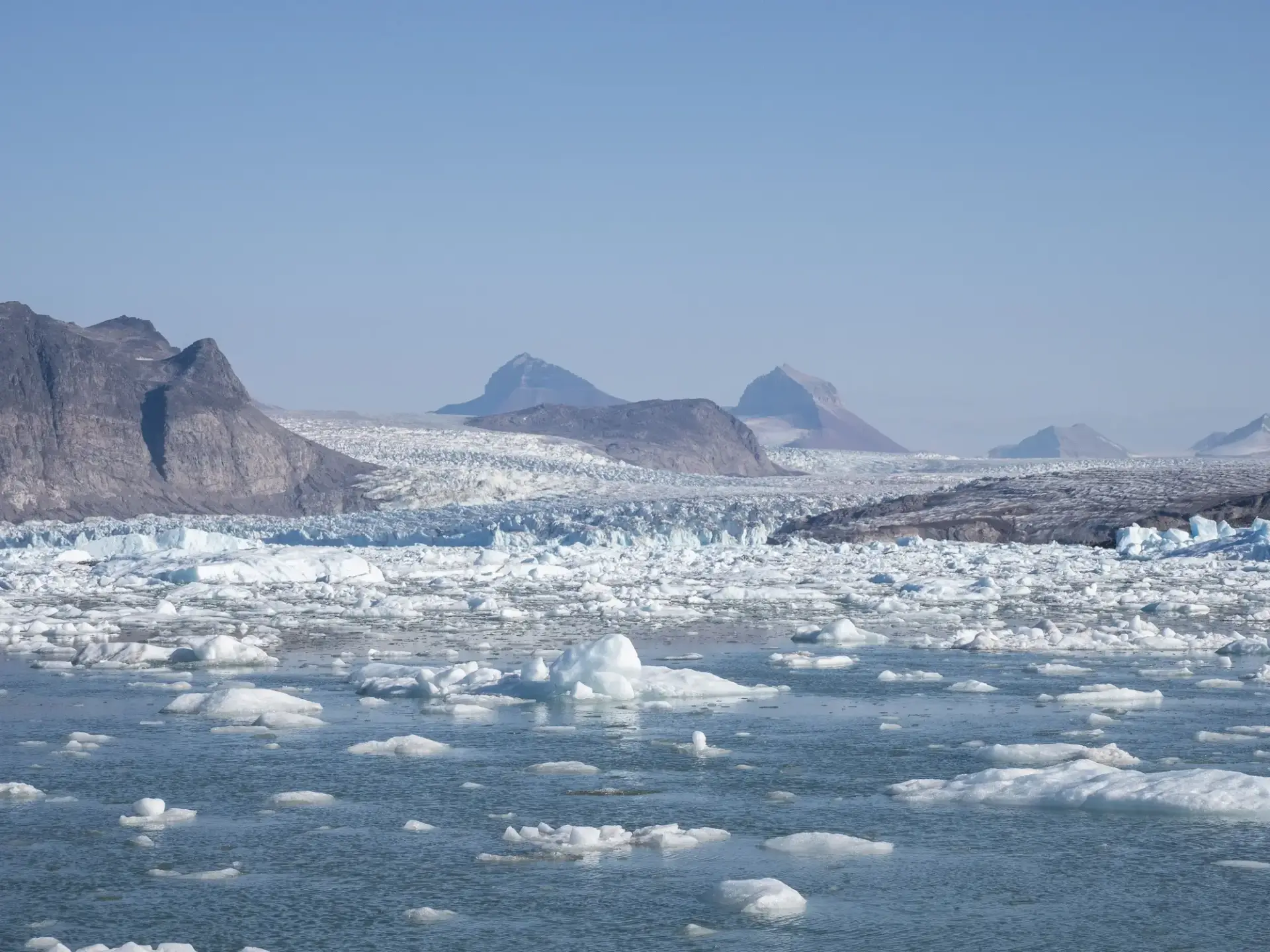
Temperature increases on Svalbard are above average, with some regions rising twice as fast as the global average. The dwindling sea ice that exists around the island for much of the year is affecting the habitat of marine life and the livelihoods of the local population.
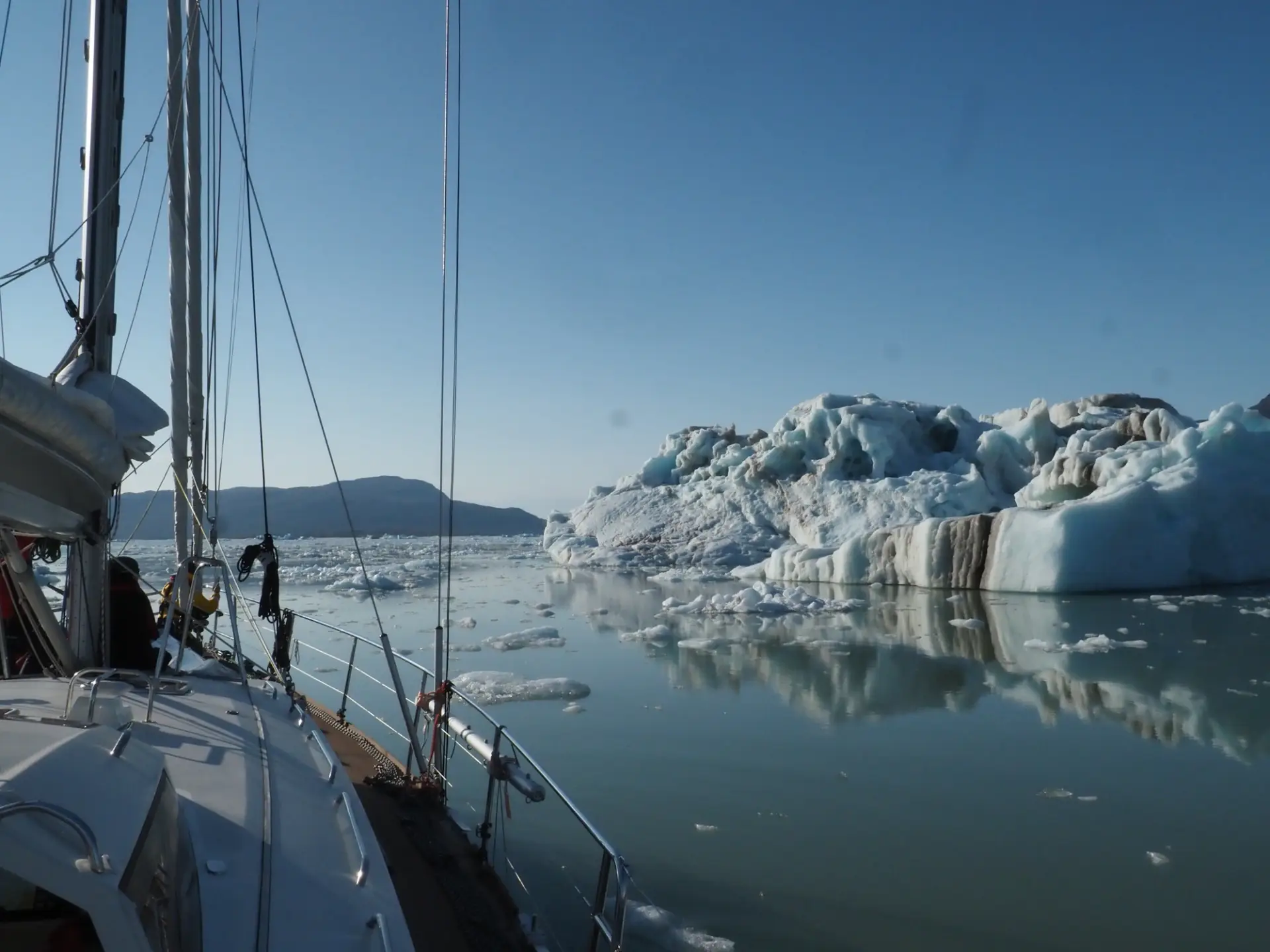
A key factor is the albedo-altering effect: while dark ocean surfaces absorb heat, light-colored ice reflects sunlight back into space. The decline in sea ice therefore intensifies the rise in temperature. This has a direct impact on animals that hunt on ice surfaces, such as polar bears, as well as on marine life that depends on the melting ice.
The changes on Svalbard are not only of an ecological nature. The disappearing ice sheets affect shipping traffic and open up new opportunities for resource extraction, especially oil and gas exploration. A holistic view of the effects of climate change is therefore essential.
Research on Svalbard offers valuable insights into the dynamics of Arctic change and provides important data for climate models. However, preserving this fragile environment requires a global effort to mitigate the rapid changes and preserve this unique region for future generations.
Climatic characteristics of August on Svalbard: An insight into the Arctic midsummer
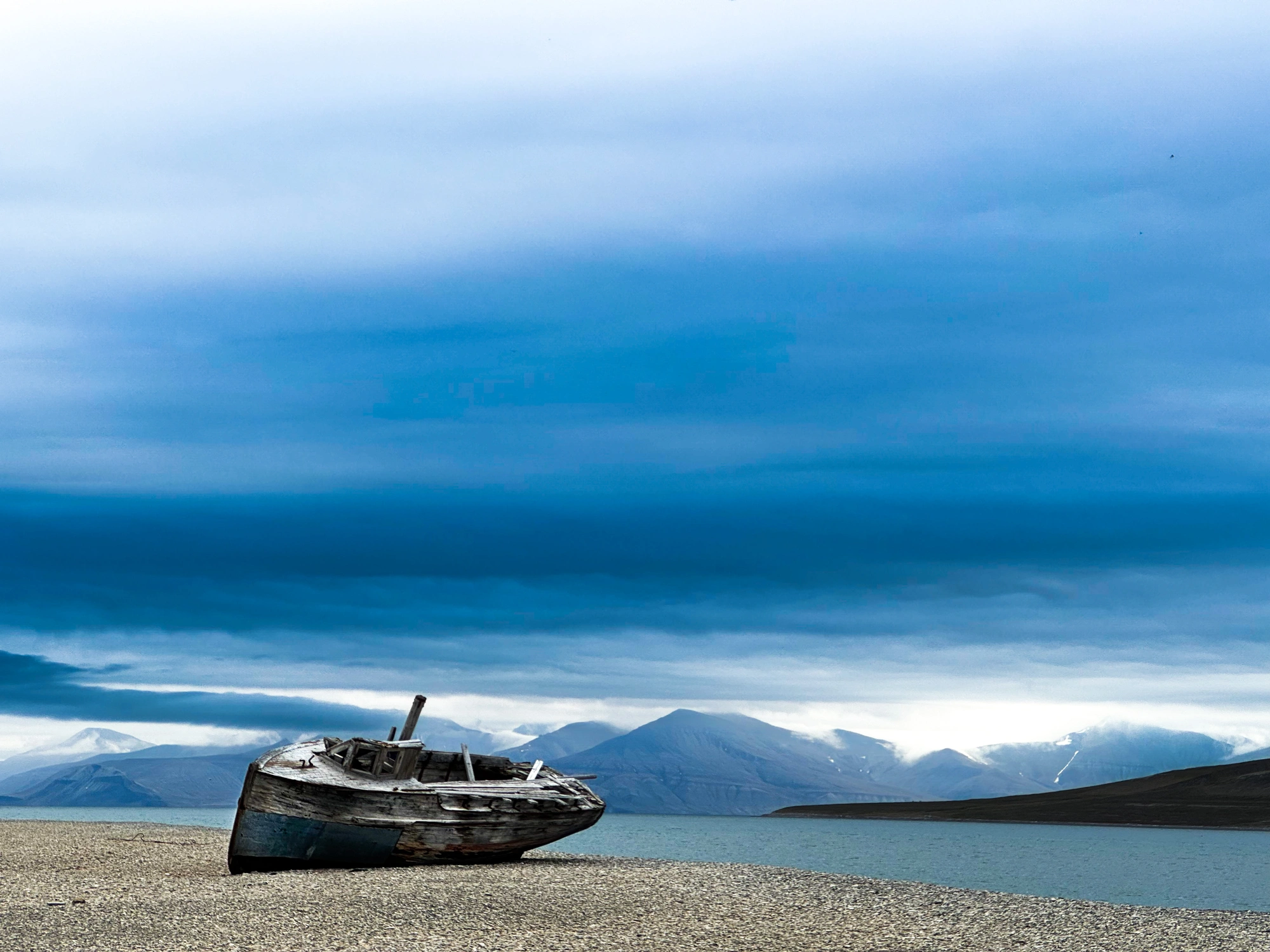
August on Svalbard marks the peak of the Arctic summer, when the island is bathed in an amazing light and the weather plays a key role in shaping the environment. The meteorological events during this phase provide insights into the dynamics of Arctic climate systems.
While temperatures in August tend to be milder than in previous months, the air remains fresh and it is not uncommon for the temperature to be close to freezing. The warming effect of sunlight is noticeable, but the radiating heat is limited by the lack of an atmosphere with a high water vapor density.
The high latitudes result in the midnight sun, which means that daylight lasts around the clock. This has an important role in warming the surface and creating temperature gradients between land and sea. These gradients influence atmospheric circulation, which in turn determines weather patterns.
The Arctic Ocean, which is ice-free at this time of year, helps to regulate the climate. It acts as a huge heat reservoir that stabilizes the ambient temperature. The transition zone between sea and land, a critical region for marine and terrestrial ecosystems, is shaped by the weather in August.
Knowledge of the August weather on Svalbard is invaluable for research, tourism and ecosystem conservation. While climate change has a global impact, the Arctic August clearly shows how fragile yet resilient this unique region is. A better understanding of August weather allows for more informed planning and awareness of the importance of the Arctic ecosystem in a changing world.
August is an optimal time to explore the Arctic, as the summer months offer moderate temperatures and longer days. Daytime temperatures are usually between 0°C and 10°C, with the sun providing a pleasant warmth. Nights can be chilly, so we recommend warm clothing and layers to protect you from the cool temperatures.